Содержание
- Микрофибра: описание и характеристика ткани
- Преимущества и недостатки микрофибры
- Для каких видов мебели стоит применять микрофибру?
Микрофибра - популярная, современная, демократичная по цене ткань, которая применяется во многих отраслях производства. Вот как может охарактеризовать ее рядовой обыватель.
Важно отметить, что люди с абсолютно разными интересами, профессиями, ознакомились с ее качествами не понаслышке, а в процессе деятельности.
Но мало кто знает, что микрофибра - и не ткань вовсе, а тончайшее полотно искусственного происхождения, из которого создают материалы определенного предназначения. Она обладает набором универсальных качеств, как положительных, так и отрицательных. О них мы и расскажем в этой статье.
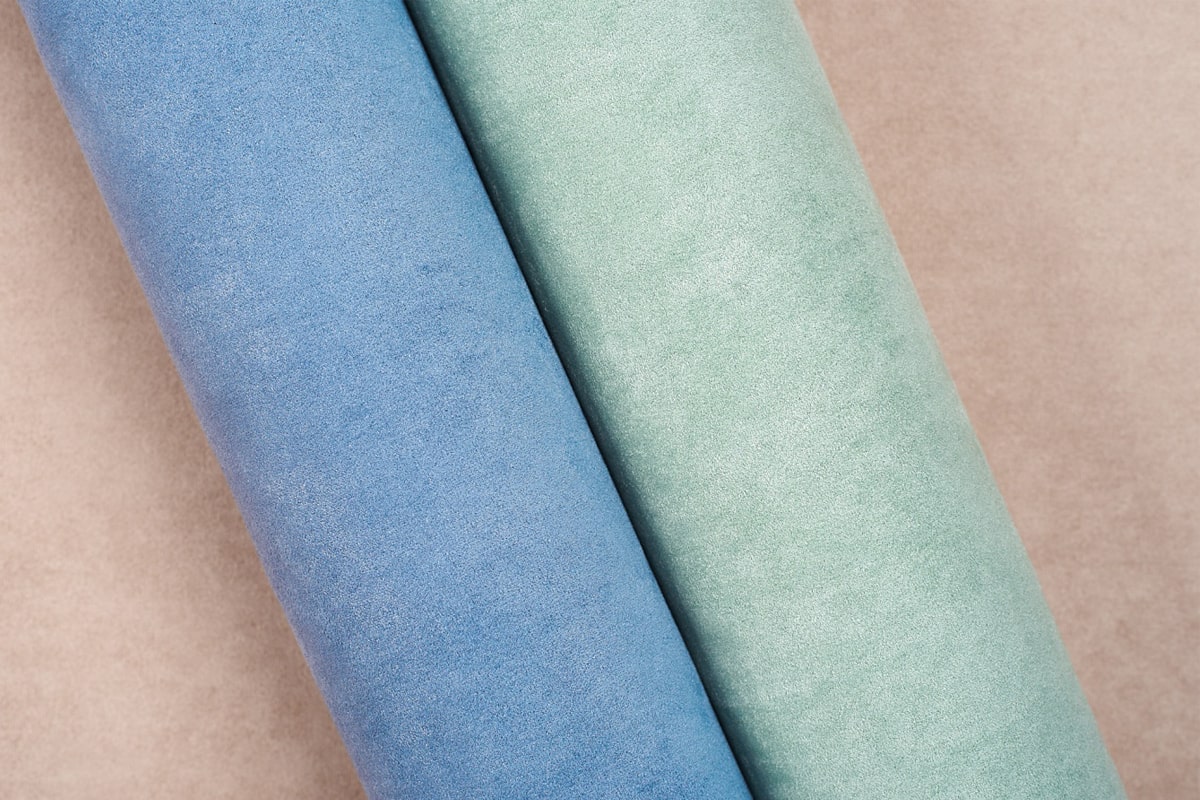
Микрофибра: описание и характеристика ткани
Микроволокно представляет собой очень тонкую нить (тоньше человеческого волоса), которая производится из полиэфира, а далее, в виде своеобразной пряжи, используется для изготовления тканых и нетканых материалов различного назначения. Все они именуются микрофиброй, поскольку используют сырье одного способа производств.
Эти тончайшие нити, создавая единое полотно, придают ему уникальные качества:
- гигроскопичность (впитывает всю поступающую влагу, оставляя поверхность сухой, комфортной по тактильным ощущениям);
- износостойкость (микрофибра не рвется, не скатывается, не линяет, не дает усадку, при соблюдении температурного режима);
- гипоаллергенность (в структуре волокна не скапливается пыль, все загрязнения остаются на поверхности материала, также, ее искусственная среда является неблагоприятной для развития патогенных микроорганизмов);
- практичность (ткань не требует особого ухода, или специальных средств. Она легко чистится подручными средствами, выдерживает обработку бытовой химией, запросто отстирывается в стиральной машине);
- бюджетная стоимость (по сравнению с натуральными тканями, микрофибра стоит на порядок дешевле, при этом обладает лучшими эксплуатационными характеристиками).
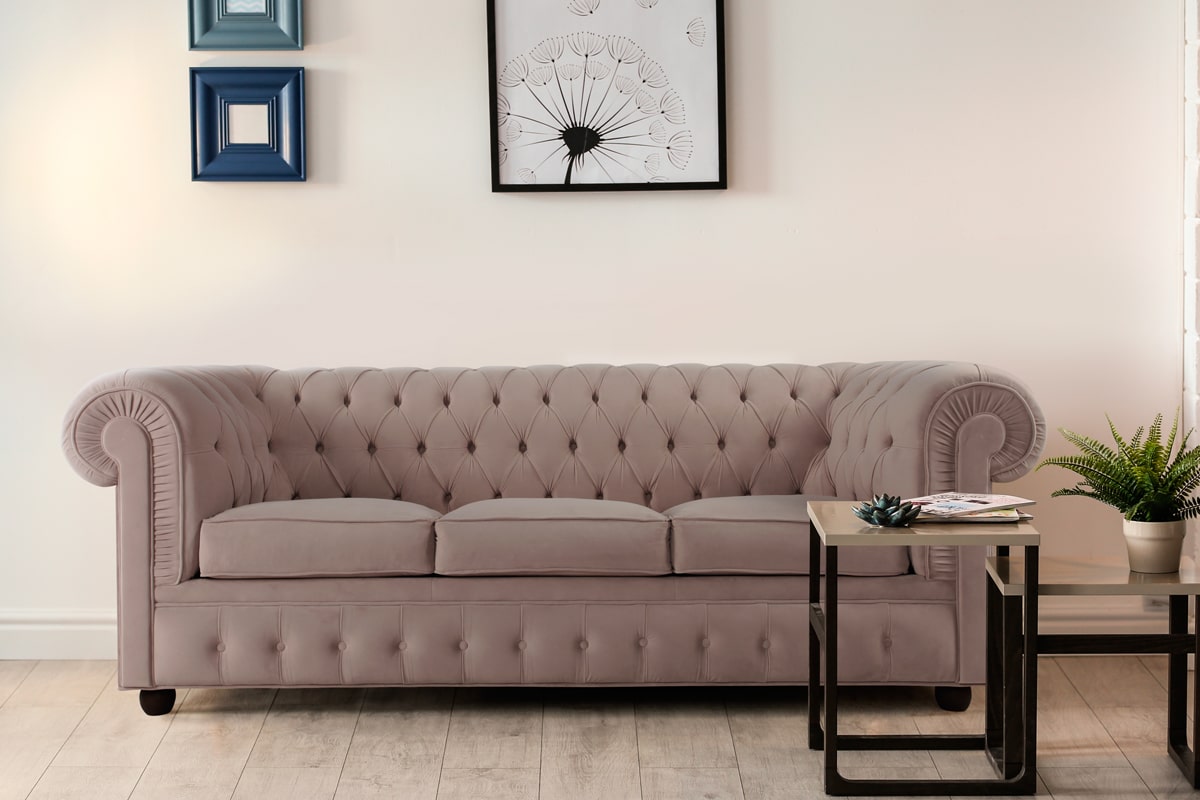
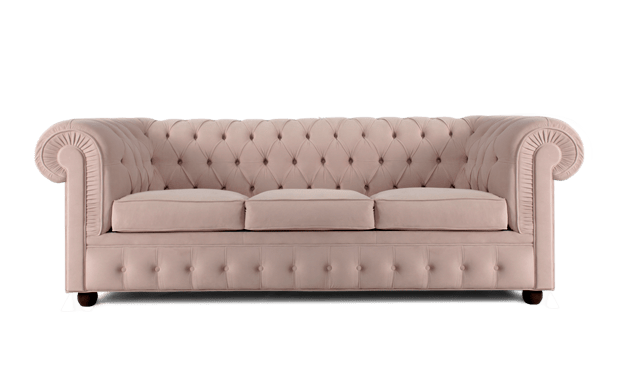
Такой универсальный, недорогой материал, быстро завоевал популярность на мировом рынке.
Изобретенный всего 50 лет назад, он успел проникнуть во многие сферы жизнедеятельности, и качественно улучшить их. На сегодня, микрофибра используется:
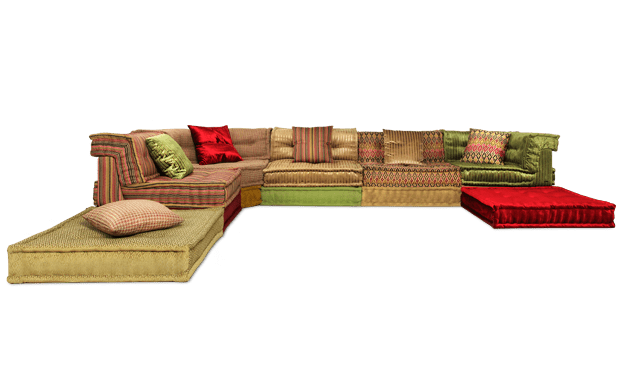
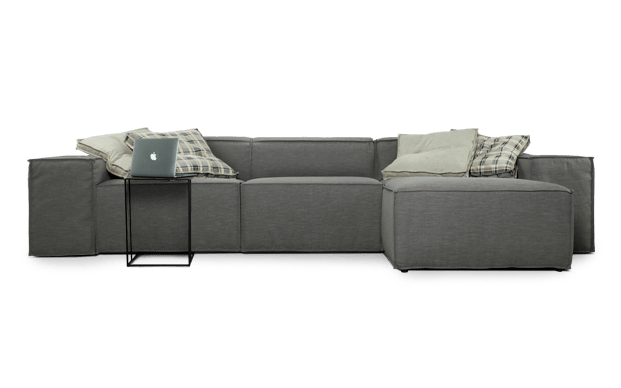
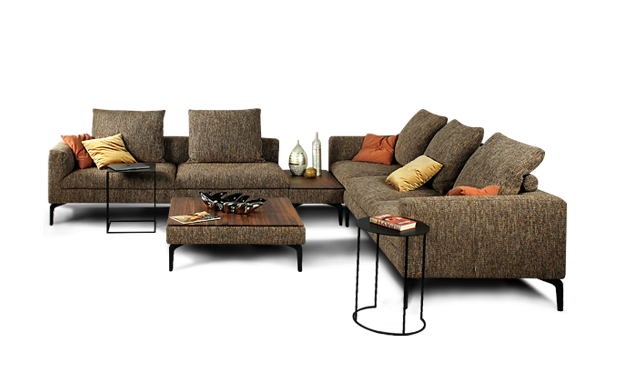
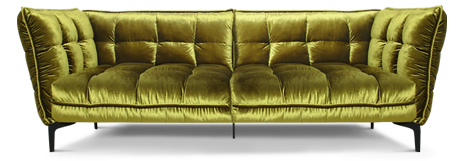
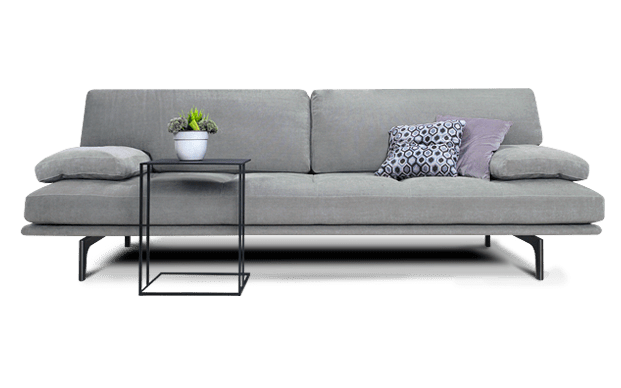
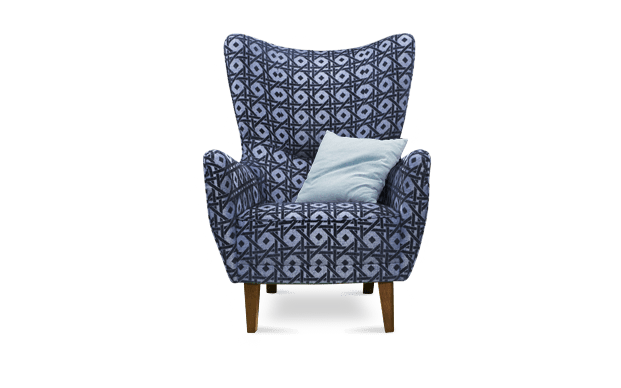
- В мебельной промышленности. Из микроволокна создают множество обивочных тканей для диванов. Они выделяются широкой, насыщенной цветовой гаммой, разнообразием текстур. Зависимо от выделки, полотно может иметь вид замши, вельвета, безворсовой софт поверхности, напыления в виде рисунков, орнаментов, и даже полноценных принтов.
- В текстильной промышленности. Из микроволокна изготавливают одежду, в том числе детскую, домашнюю обувь, полотенца, комплекты постельного белья, и другие аксессуары. Такое широкое применение объясняется тем, что ткань бюджетна в производстве, неприхотлива в уходе, в процессе эксплуатации сохраняет достойный внешний вид (без образования катышков, потертостей, цветовых изменений).
- В производстве фильтроэлементов и чистящих тканей. Это огромная отрасль разнообразных аксессуаров, которые обеспечивают очищение систем и отдельных предметов. Самый распространенный пример - тряпки для уборки офисов, автомобилей, домов. Также из микрофибры производят фильтроэлементы собирающие пыль, очищающие поверхность, обеспечивающие необходимый уход прибору.
- Для изготовления игрушек и аксессуаров. Детские плюшевые игрушки, с мягкой, приятной на ощупь поверхностью - заслуга микроволокна. Даже частые стирки не меняют его текстуру. А предметы декора из микрофибры, в течение длительного времени сохраняют свою привлекательность.
- Для амуниции узконаправленных отраслей. Военное дело, альпинистская экипировка, тоже не обходятся без микроволокна. Из него шьют спальники, спецодежду, парашюты, и многое другое. Изделие из такого волокна является прочным, комфортным, легким, подходит для использования в усложненных погодных условиях.
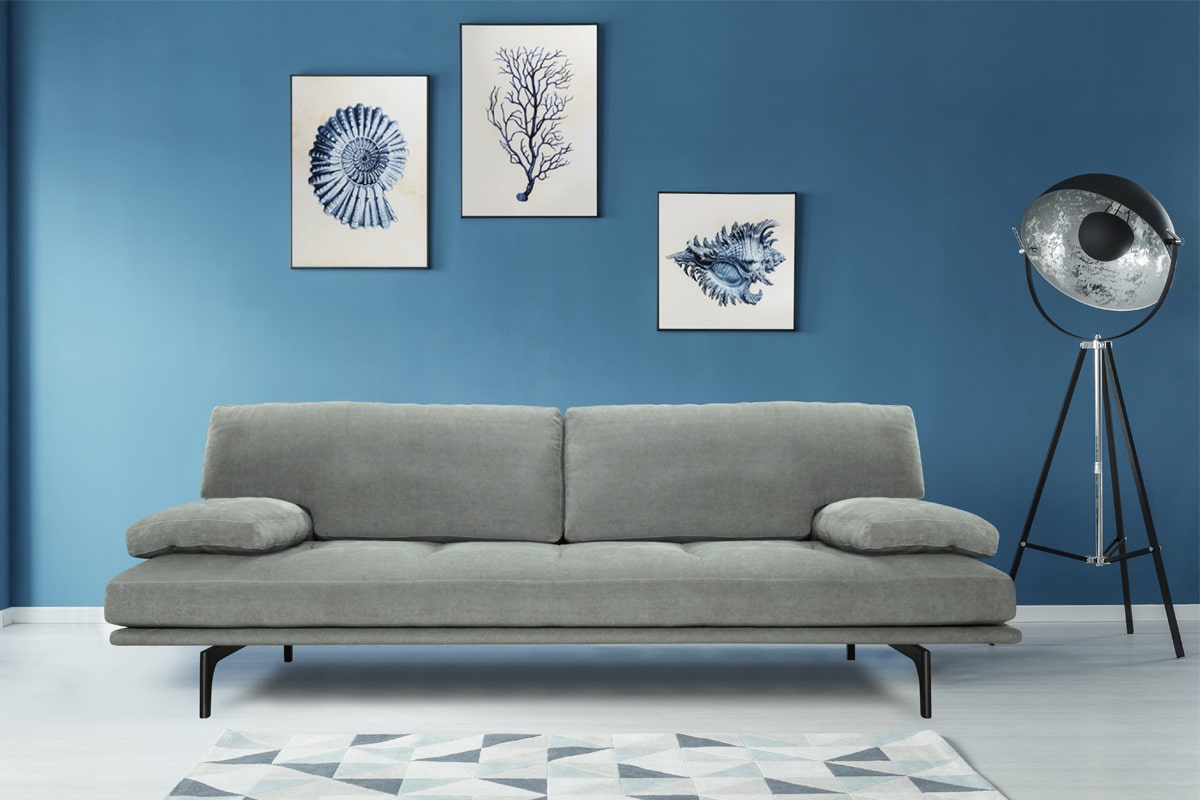
Подводя итог, хотим сказать, что микрофибра - это универсальная ткань, превосходящая натуральную уже тем, что имеет широкую сферу применения. А насколько она оправдана, предлагаем узнать дальше, изучив плюсы и минусы микроволокна.
Преимущества и недостатки микрофибры
Хотя в микрофибре и собраны уникальные качества, она не лишена недостатков. Как любая другая ткань, она объединяет в себе положительные и отрицательные свойства. Каких больше? Предлагаем сравнить.
Преимущества микрофибры:
- мягкость (ткань вызывает приятные тактильные ощущения, подходит для использования детям);
- гипоаллергенность (качественное полиэфирное волокно не вызывает раздражения на коже, и не накапливает внешние аллергены: пыль, патогенные микроорганизмы);
- высокая впитывающая способность;
- воздухопроницаемость (впитанная влага свободно испаряется, за счет чего поддерживается комфортная тактильная и температурная среда);
- износостойкость (не вытирается, не меняет цвет, не линяет, не оставляет катышек или ворсинок на поверхности);
- простой уход (легко очищается обычными моющими средствами, не требует глажки).
Недостатки микрофибры:
- накапливает статическое электричество (при некоторых обстоятельствах может электризоваться, но это не считается постоянным свойством ткани);
- плохо переносит высокие температуры (сушка на батарее, стирка при высоких температурах, глажка изделий из микроволокна не рекомендована, поскольку ткань деформируется от чрезмерного тепла, теряет прежний вид и форму);
- При скоплениях жировых частиц в волокнах перестает впитывать влагу (этот недостаток относится к микрофибре, предназначенной для чистки, уборки. Текстильные изделия из нее, впитывают влагу в течение всего срока эксплуатации).
Как вы видите, плюсов у микроволокна значительно больше чем минусов, а значит его популяризация, использование в разных сферах жизни вполне оправдано. Применять ли его для своего быта - решать вам, но мировой опыт склоняется в пользу микрофибры, и замены ею на производстве дорогостоящих, натуральных материалов.
Для каких видов мебели стоит применять микрофибру?
Мебельные ткани на основе микволокна применяются повсеместно. Диваны, кресла, кушетки с такой обивкой пользуются высоким спросом, поскольку имеют эффектный внешний вид и демократичную цену. Широкая палитра цветов, разнообразие текстур, возможность нанести эксклюзивную фотопечать на ткань, привлекают и дизайнеров интерьеров, и обычных людей, которые ищут новую мебель в дом.

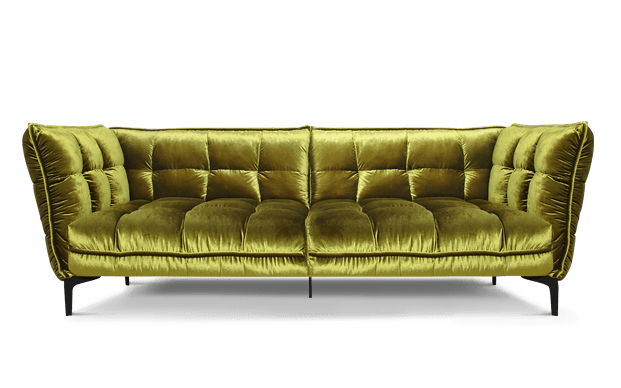
Благодаря своим качествам, микрофибра используется для обивки:
- детской мебели (материал легкий, комфортный, безопасный для детей, при этом хорошо чистится от загрязнений, быстро сохнет, не утрачивает свою привлекательность);
- кухонных уголков (тонкий, но крепкий на разрыв текстиль, визуально не утяжеляет кухонную мебель, и достойно справляется с высокими эксплуатационными нагрузками);
- гостевых диванов (микрофибра - идеальный вариант обивки для диванов со спальным местом. Она вписывается в разные стилевые направления, при обладает комфортной для сна поверхностью);
- мягкой мебели для прихожей (пуфики, кресла с такой обивкой, выглядят эффектно, требуют минимальных затрат на уход, подчеркивают статусность жилища).
В заключение хотим сказать, что микроволокно - это универсальная ткань нового поколения. По своим характеристикам она превосходит многие натуральные материалы, и упрощает различные сферы производства, быта. Мебель с такой обивкой всегда красива, практична, доступна, а чтобы удостовериться в этом - заходите на Zlatamebel.ua.
Микрофибра в диванах от Zlatamebel