Гостиная, или по-простому зал, является “лицом” квартиры. Хочется чтобы она была не только уютной, но и практичной. В стандартных многоэтажках каждый сантиметр на счету, и мало кто оставляет целую комнату исключительно для приема гостей. Чаще всего эта площадь многофункциональна, а значит наполняющая ее мебель должна быть эргономичной, гибкой в использовании. В данной статье предлагаем узнать, чем руководствоваться при выборе углового дивана, и рассмотрим варианты его удачного размещения в зале квартиры.
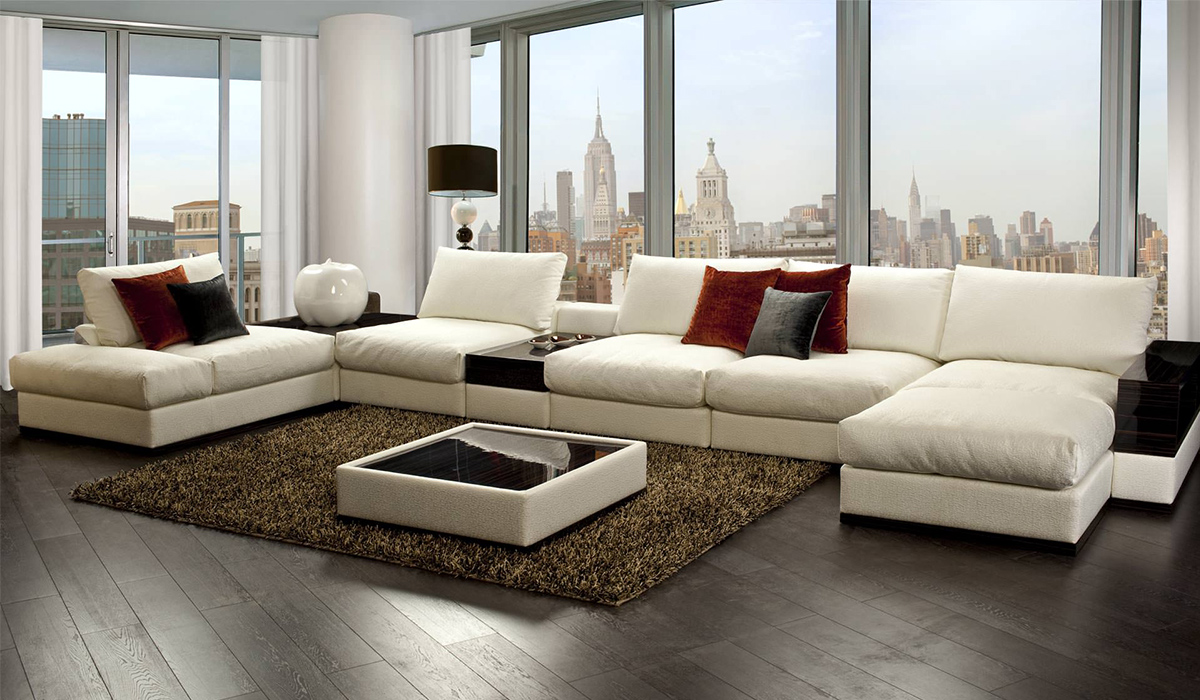
Что нужно учитывать при выборе углового дивана?
Угловой диван - хороший вариант для зала. Он поместит всю семью, создаст подходящую атмосферу для общения, располагая собеседников лицом к лицу. Но если вам нужны не только места для сидения, следует обратить внимание на такие нюансы:
- имеет ли выбранная модель спальное место;
- оснащен ли диван нишами для хранения белья;
- удобна ли конструкция дивана;
- модель монолитная или модульная.
В процессе выбора этими деталями мало интересуются, больше ориентируясь на внешний вид, дизайн модели. Но практика показывает, что неучтенные моменты дают о себе знать во время пользования.
Выбирая модель со спальным местом, необходимо продумать варианты хранения постельного белья. Если таковых в зале не имеется - обратить внимание на виды мягкой мебели с нишами для хранения. Также важно учесть способ трансформации дивана. Не мешает ли он передвижению по залу, совмещается ли с остальной мебелью, возможно ли рядом с диваном поместить кресло? Если комната динамична, предметы в ней часто перемещаются, подобрать модульный угловой диван, т.к. отдельные секции легче поддаются перестановке, чем цельная мебель. Продумав эти детали, и выбрав подходящий вариант, у вас есть больше шансов удачно вписать мягкую мебель в интерьер зала.
Какие бывают формы угловых диванов? Способы размещения в интерьере зала
Сейчас дизайнеры предлагают угловые диваны разных форм и размеров, что позволяет вписать их в любой интерьер. Можно подобрать мягкий уголок:
- Г-образной формы;
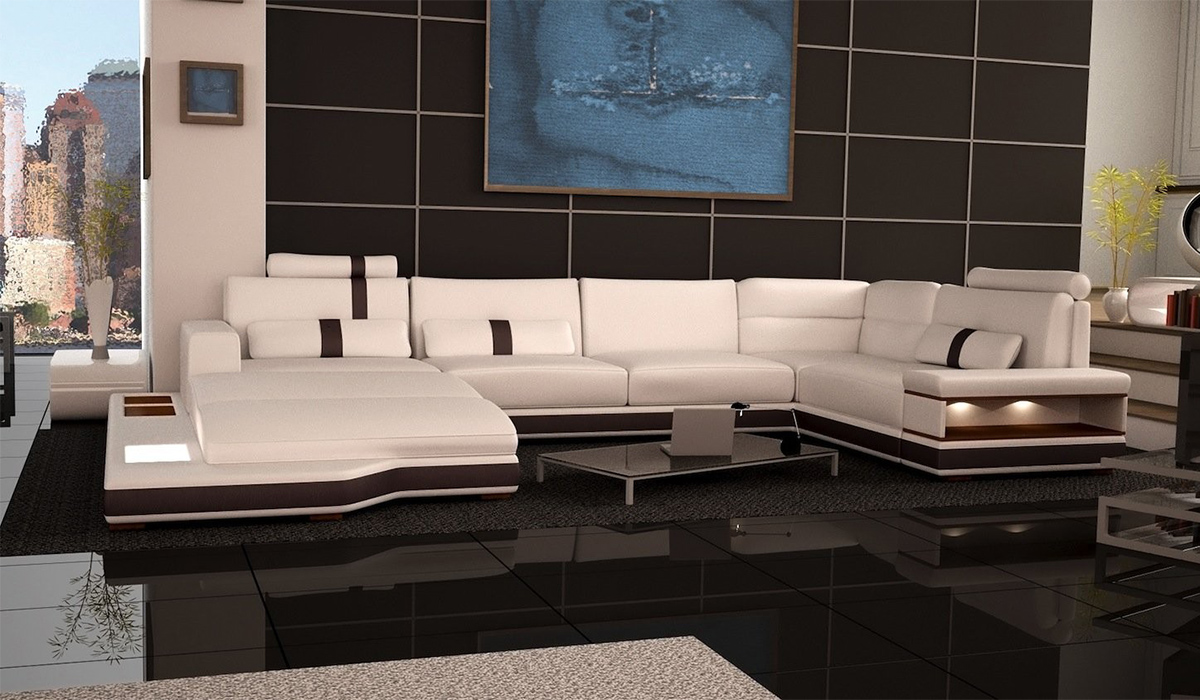
- П-образной формы;
- полукруглый.
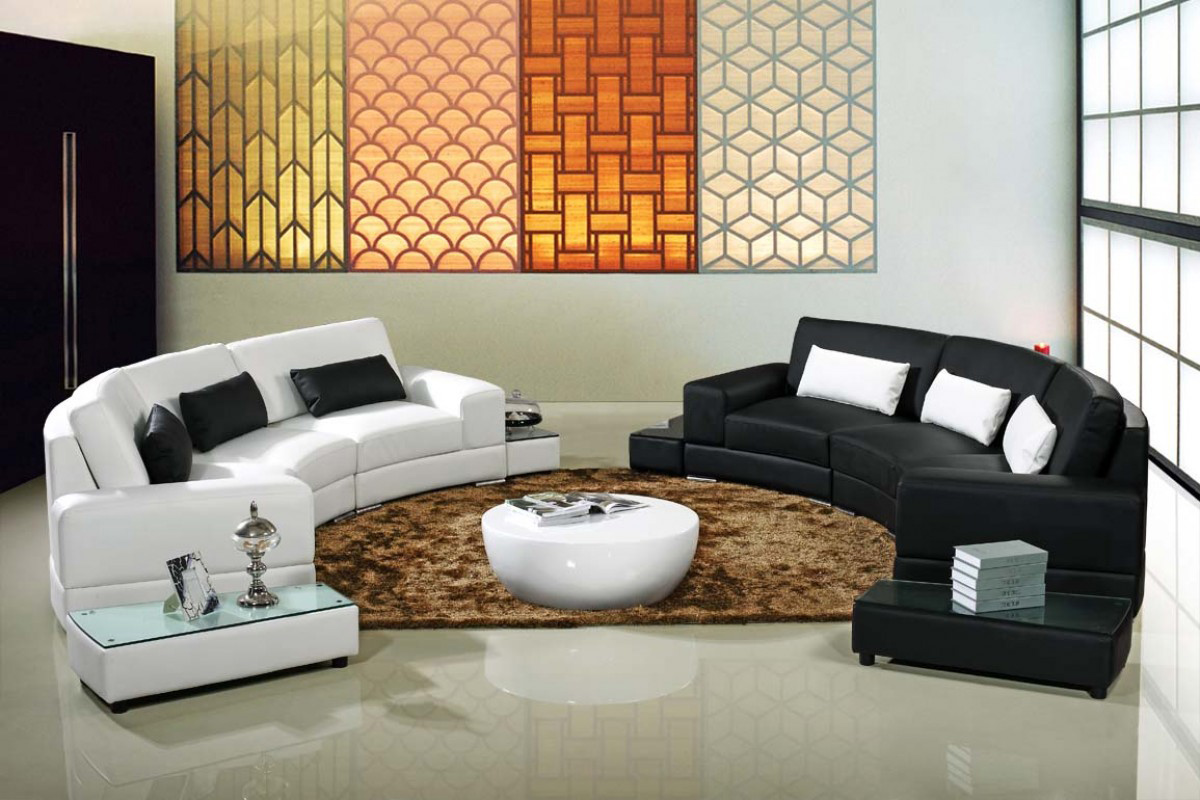
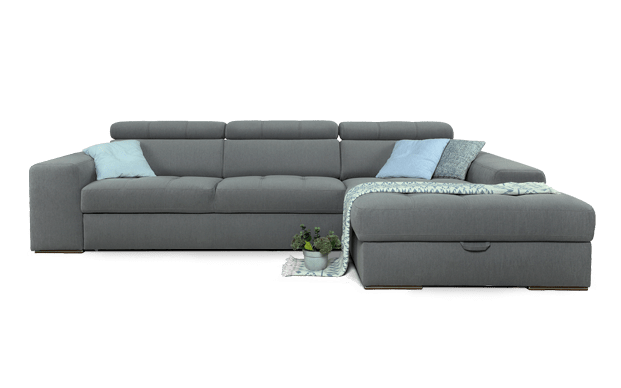
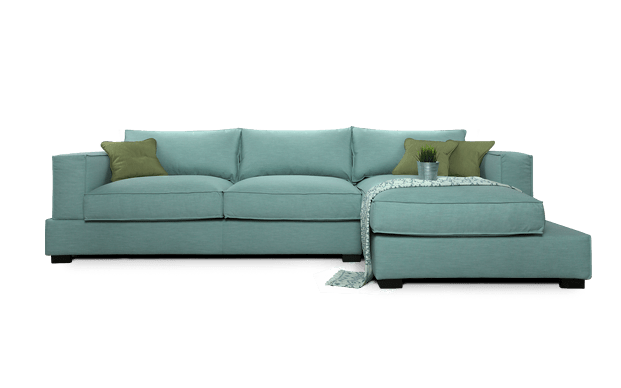
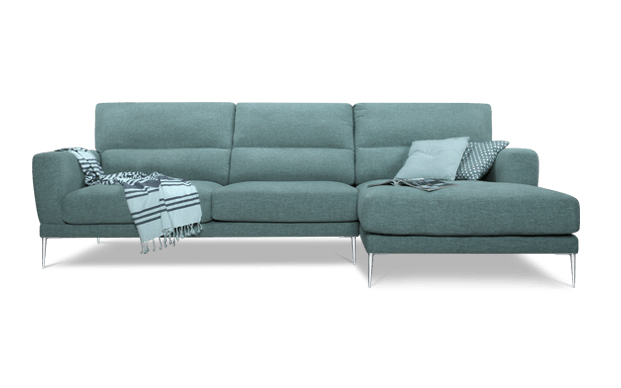
Первый вариант - классический. Чаще всего он занимает один из углов комнаты, освобождая центр. Его можно разместить у меньшей стены, у окна (при условии, что модель с низкой спинкой), у большей стены (в зависимости от размера). На фото видно, что такая форма прекрасно подходит небольшим и прямоугольным помещениям.
Второй вариант идеален для квадратных комнат. Повторяя форму помещения, он органично в него вписывается. С такой моделью легко построить композицию комнаты, сделав ее более гармоничной и уравновешенной. Также, П-образная форма дивана может быть применена в прямоугольном пространстве, требующем зонирования. Поставленный в центре, мягкий уголок визуально разделит помещение на два равных квадрата, имеющих свое функциональное назначение.
Третий вариант не очень подходит для типичных многоэтажек. Он удачно впишется в помещение неправильной формы, в зал с эркером, а в прямоугольнике будет смотреться несуразно, или занимать больше положенного места.
Размещение углового дивана в гостиной возможно на трех позициях:
- У одной из стен (какой конкретно, зависит от размеров мебели).
- В углу комнаты.
- В центре пространства (если позволяет площадь, в также при необходимости зонирования).
На фото можно посмотреть, как каждый из вариантов выглядит на практике, как с угловым диваном меняется пространство, как правильное размещение балансирует вытянутый зал.
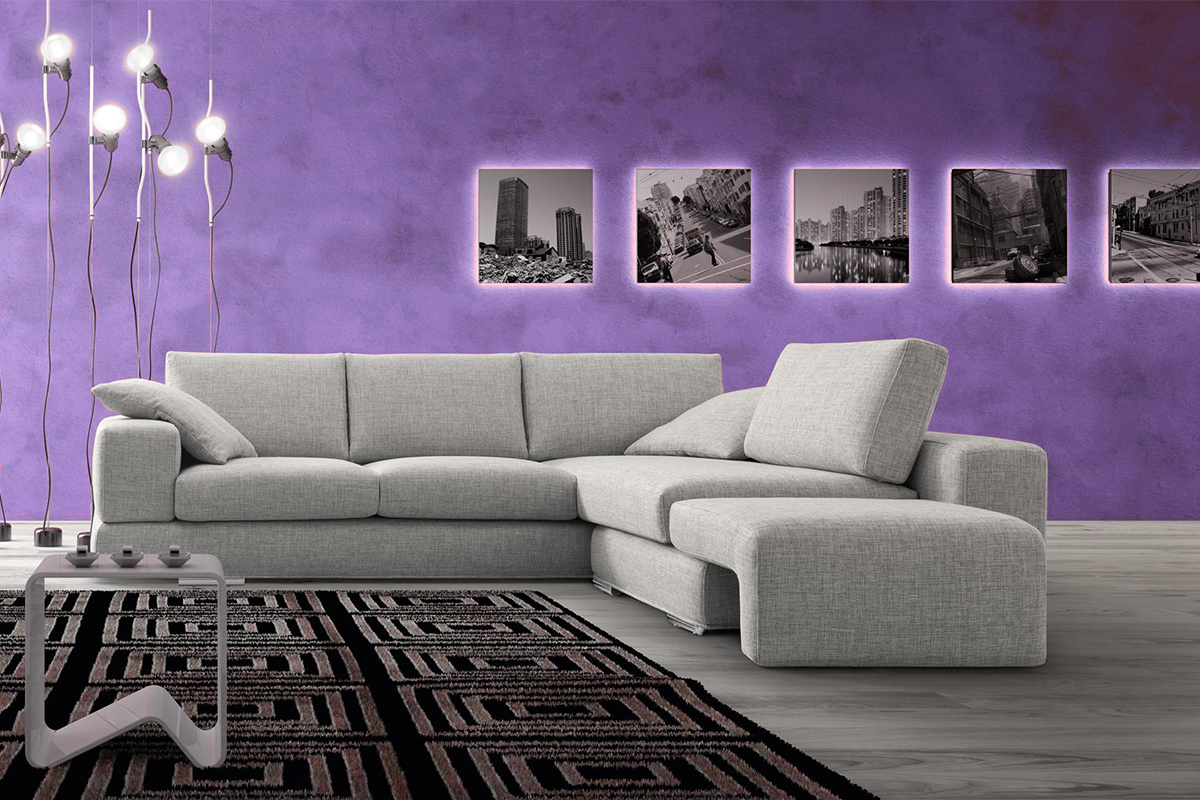
Удачное размещение угловых диванов с учетом механизма трансформации
Существует достаточно много механизмов трансформации, которые применяют к раскладывающимся угловым диванам. Некоторые из них - просты в использовании, другие - достаточно сложные, требуют значительных физических усилий. Предлагаем рассмотреть самые популярные модели, способы их размещения.
Подсказка по удачному размещению
Чтобы уж наверняка знать как поставить мебель, и не ошибиться в расчетах, можно начертить план комнаты, и прикинуть варианты обстановки. Визуализация желаемого варианта позволит заметить недочеты и оценить достоинства той или иной расстановки. Обставить зал несложно, но чтобы достичь гармоничного объединения всех предметов интерьера, нужно продумать каждую деталь, и ее место в общей композиции.
Заключение
Каждый человек стремится сделать свое жилище уютным, комфортным, а зал, как лицо квартиры, хочется видеть еще и красивым. С угловым диваном гостиная всегда будет нарядной, располагающей к общению, дружеским посиделкам. В нее захочется возвращаться. Используя наши советы, вы сможете подобрать самый удачный вариант размещения мебели в зале, а Zlatamebel поможет с выбором мебели.
- Выкатной механизм. Самый простой в использовании. Спальная часть выкатывается вперед при механическом воздействии, мягкая секция перекидывается с сиденья. Один из самых надежных, выдерживает большие нагрузки. Из недостатков - такой мягкий уголок не имеет ниши для хранения белья. Из особенностей расположения - требует перед собой достаточно свободного места. Его лучше размещать у большей стены, дальше от балконного блока (если он присутствует), чтобы не блокировать выход на балкон.
- Механизм Дельфин. Нижняя часть спального места выкатывается, из него, на специальных пружинах, “выныривает” ортопедическая секция. Достаточно прочный, удобный вариант, но тоже некуда сложить белье. Размещать его удобно в углу.
- Механизм Аккордеон. Нижний каркас выкатывается на колесиках, верхняя, мягкая часть “разъезжается” как одноименный музыкальный инструмент. Обеспечивает полноценное двуспальное место, имеет внизу ящик для хранения белья. Из недостатков - в разобранном виде занимает много места.
- Механизм Еврокнижка. Нижняя часть дивана выезжает вперед, а спинка опускается на место бывшего сидения. Абсолютно простой, понятный, надежный способ раскладки. В разобранном виде занимает немного места. Из недостатков - нет ящика для белья. Можно поставить в любой части комнаты, благодаря компактным размерам.
- Механизм Французская раскладушка. С дивана снимаются подушки, далее - потянув за специальную ручку разворачивается спальное место, сложенное в три этапа. Надежность такой мебели ниже, чем у выкатных моделей, зато и места занимают меньше. Хороший вариант для небольшого зала, особенно если не используется как постоянное спальное место.
Угловые диваны от Zlatamebel для вашей комнаты