Случается, что даже самые опытные дизайнеры сталкиваются с такими планировками квартир, которые, казалось бы, обречены быть загроможденными мебелью и не оставляют никаких надежд на то, чтобы выглядеть функционально и стильно. Но не стоит волноваться, безнадежных случаев не бывает и правильная планировка мебели спасет любую ситуацию. Предлагаем Вам ряд решений, которые помогут Вам подобрать диван в узкую комнату и удачно использовать все ее пространство.
Типичные ошибки при размещении мебели в длинном пространстве
Чтобы избежать дискомфорта от неверной расстановки, не стоит делать так:
- Расставлять мебель вдоль стен.
- Размещать мебель больших размеров напротив друг от друга. Это только съест пространство между ними.
- Использовать шкафы, стеллажи и другие подобные предметы для зонирования комнаты. Это приведет к тому, что часть помещения останется без доступа к естественному освещению, превращая его в чулан.
Как же поступать, ведь располагать мебель вдоль стен кажется самым подходящим решением? — спросите Вы, но это лишь сделает и без того длинную комнату намного уже и удлинит её ещё больше. Существуют различные способы размещения, которые позволят избежать этого.
Способы расстановки мебели
Для начала Вам стоит нарисовать для себя небольшую схему, изображающую все зоны, на которые Вы хотите поделить комнату. Некоторые зоны могут иметь несколько функций, например: гостиная может быть одновременно и рабочем местом, и местом отдыха, а спальное помещение может также служить гардеробом. Вы должны четко понимать, что именно Вы хотите видеть в каждом участке и что он должен для Вас представлять.
Для того, чтобы зонировать комнату, дизайнеры чаще всего используют эти приемы:
- Разделение участков комнаты с помощью цвета.
- Определенная расстановка мебели, позволяющая выделить части комнаты.

Зонирование с помощью цвета позволяет создать в одном помещении несколько комнат за счет окрашивания стен в разные оттенки, отвечающие каждому участку, но при этом контрастирующие друг с другом. Этот вариант имеет свои небольшие правила:
- Яркость дизайна зависит от яркости самой комнаты, чем она темнее, тем светлее должен быть дизайн.
- В помещениях для отдыха и спальнях лучше отказаться от ярких оттенков.
- Предметы мебели и декора должны гармонично сочетаться друг с другом.
- Чтобы комната не казалась скучной, можно добавить яркий ковер или украсить полки различными декоративными предметами, но если помещение имеет небольшой размер, то в выборе оттенков основной мебели, такой как диван и кровать, лучше отдать предпочтение спокойной гамме.
- Если Вы обзавелись ярким шкафом, то постарайтесь разместить его в самом темном углу помещения — это позволит оживить участок, а такие вещи, как оригинальный торшер или большой цветок, помогут сделать его не только стильным, но и уютным.
- Разделяя комнаты на зоны, стоит помнить, что вся мебель должна быть в одном дизайне и подходить друг к другу как по цветовой гамме, так и по внешнему оформлению.
- Не стоит прибегать к радикальным решениям и красить одну часть стен в зеленый цвет, а другую в розовый — все части должны складываться в один общий пазл.
Цветовые идеи
Если Вы решили не разделять комнату на зоны и выполнить её в одном цвете, то в таком случаи дизайнеры рекомендуют:
- Использовать светлые тона. Они имеют способность визуально расширять помещение, при этом маскируя недостатки в его планировке. Отделку пола и потолка лучше выполнить в одном цвете или в его разных оттенках. Для этого лучшего всего подойдет белый, бежевый, светло-серый, кремовый, карамельно-желтый или бледно-голубой.
- Ещё один способ расширить комнату — это выкрасить потолок в один оттенок, а стену обклеить обоями, украшенными узорами или полосками в той же цветовой гамме.
- Если хотите добавить ярких элементов, старайтесь не перегружать ими интерьер. Правильно подобранные элементы желтого, оранжевого, зеленого или голубого помогут всему помещению заиграть красками.
Обращайте внимание на то, как располагается Ваша гостиная по отношению к сторонам света. Серый, коричневый, белый и фиолетовый станут отличными вариантами для гостиной, чьи окна выходят на юг, а вот для северной стороны стоит обратить внимание на зеленые, оранжевые или желтые тона.
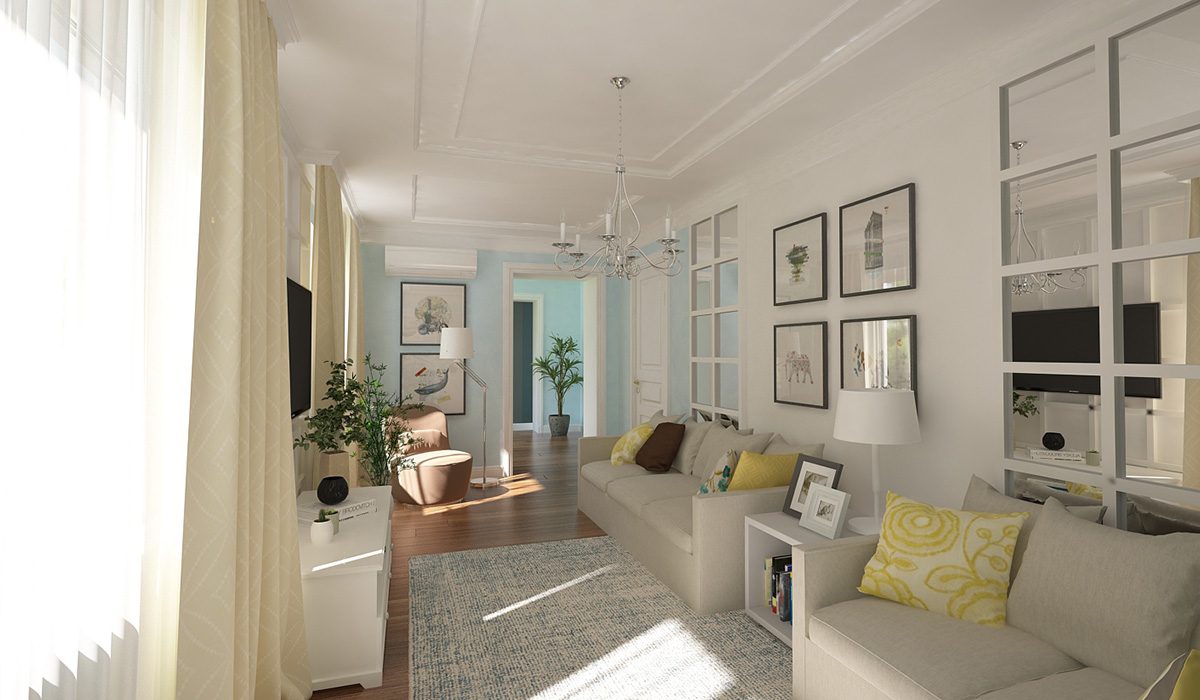
Возможно применение контрастных ниш для придания выразительности дизайну.
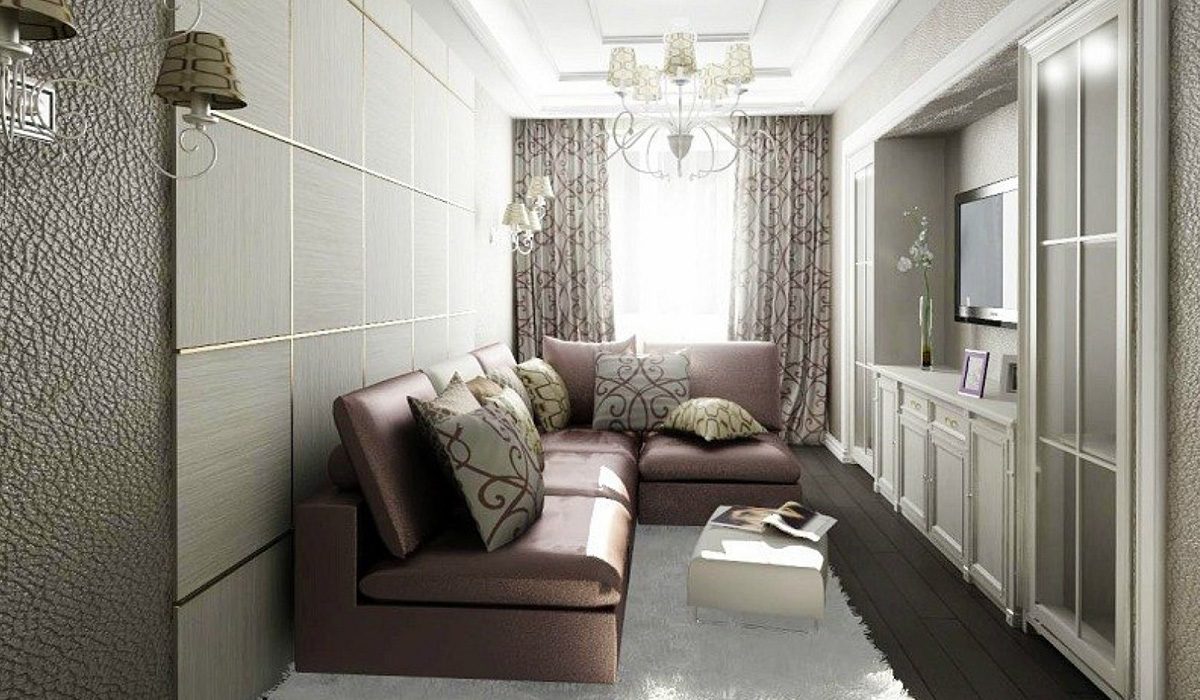
Чтобы длинную комнату визуально сделать похожей на квадрат, нужно выкрасить короткие дальние стены в огненные тона, такие как терракотовый, красный, оранжевый или шоколадный. Также можно использовать черный цвет. Длинные стены должны быть в прохладных и светлых тонах.
Воспользуйтесь приемом цветовой координации — отвлеките внимание от узкой формы комнаты, привлекая его к другому объекту. Создайте визуальный центр — выкрасьте ярким цветом одну часть стены с низу до верху или расположите зеркальный или броский комод. Если Вам удастся сделать композицию яркой, оригинальной и интересной, то это поможет отвлечь внимание от неидеальной формы Вашей комнаты.
Дизайнерские решения
Существует еще несколько способов создать гармоничный дизайн в длинном пространстве. Обратите внимание на мебель, способную к трансформации и декоративные элементы из стекла. Интересным и удачным выбором станет размещение ковра в полоску, перпендикулярную длиной стене. Фото-обои помогут визуально увеличить пространство и придать современного духа атмосфере помещения, клеить их можно как на короткой стене, так и на длинной. Замечательным приемом считается поклейка обоев с вертикальным рисунком на большой стене, а с горизонтальным — на маленькой. При расстановке мебели нужно учитывать наличие между ней свободного перехода из одного конца в другой. Если одна стена занята большим шкафом или камином, то остальную мебель стоит разместить у противоположной стены, а центр комнаты оставить свободным.

Самый лучший способ визуально увеличить и расширить пространство — это использовать зеркала или композицию из них на одной стороне. Если Вы обустраиваете гостиную, то угловой диван в узком, длинном помещении будет смотреться лучше всего, а противоположную ему стенку стоит украсить навесными полками небольшой глубины. Длинный диван для узкой комнаты также может сработать, только он должен быть чуть длиннее привычных, что позволит строгим линиям сгладиться и сделать помещение более прямоугольным. Чтобы сделать декор многоуровневым, попытайтесь подобрать различные текстуры, например используйте рельефный текстиль вместе с гладкими поверхностями. Если в комнате присутствуют пустующий угол, то заполните его небольшой тумбочкой, имеющей зеркальную поверхность, она будет отражать свет и увеличивать пространство. Ещё одна небольшая хитрость — использование аксессуаров и предметов декора круглой формы, они позволять визуально расширить комнату. При укладке пола лучше всего выбрать напольное покрытие с рисунком прямоугольной формы и расположить его перпендикулярно длинной стене.
Финальным штрихом станет освещение. Не рекомендуется использовать люстру в центре комнаты, но если Вы все таки хотите её использовать, то она должна иметь асимметричную форму и уравновешиваться другими источниками освещения, такими как торшеры или светильники на стенах. Можно рассмотреть установку светодиодных светильников на потолке, они позволят свету плавно рассеиваться по всей комнате.
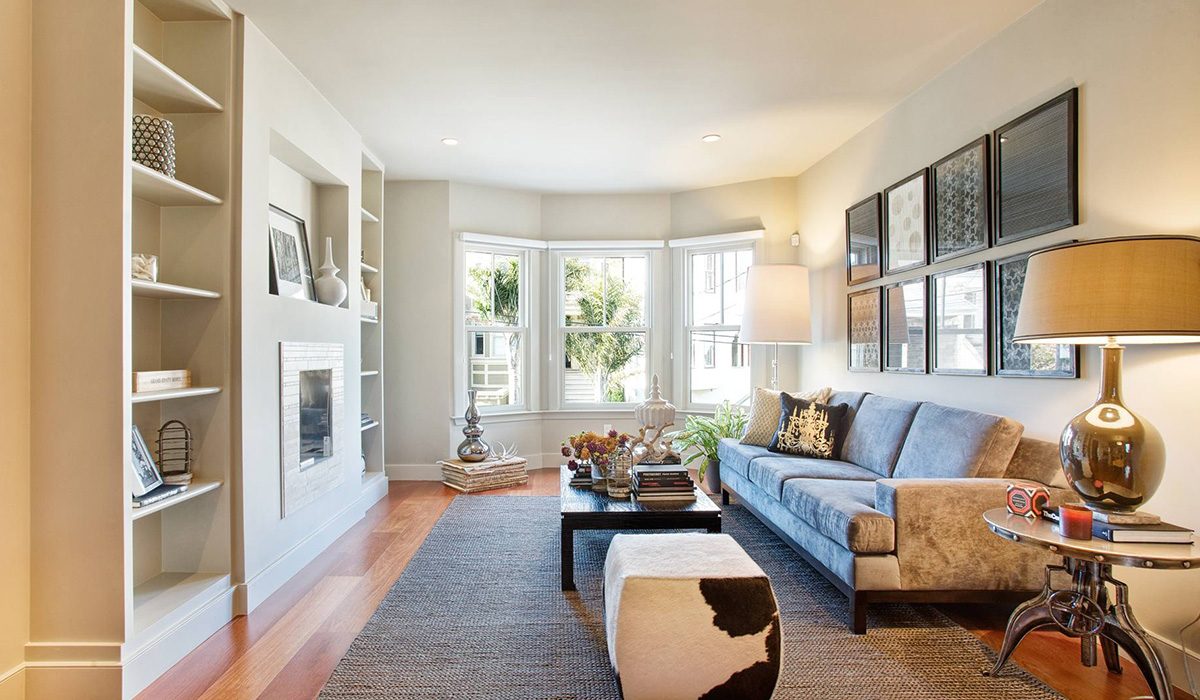
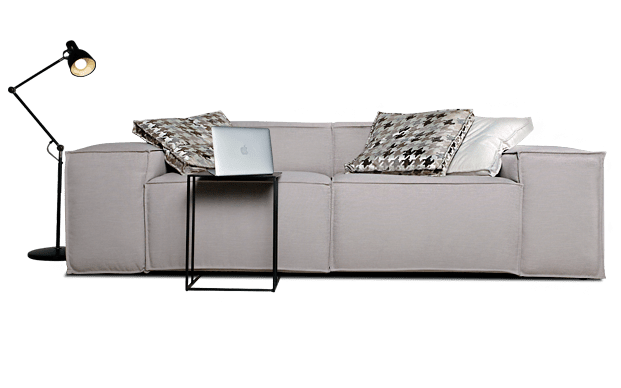
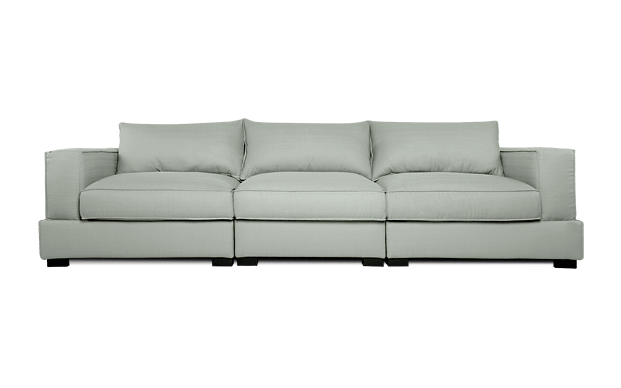
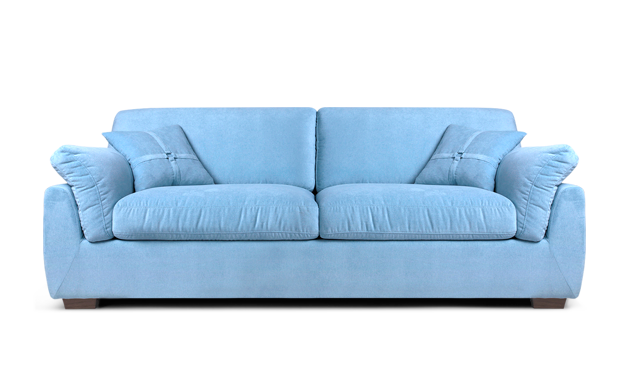
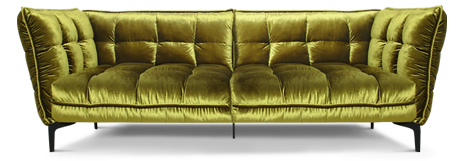
Естественное освещение станет спасительной шлюпкой для узких помещений, так что если у Вас есть возможность использовать его, то Вам следует оставить окна максимально доступными и открытыми. Фото диванов в узкую комнату и примеры дизайна Вы сможете рассмотреть ниже.
Надеемся, что Вы открыли для себя что-то новое, читая эту статью. Стильный дизайн в длинной комнате может казаться сложным для выполнения, но с правильным настроем и применением небольших хитростей, перечисленными выше, у Вас все получится!
Диваны для узких комнат от Zlatamebel